Executive Summary
Is a SAFE the same as employee stock options?
No. A SAFE is usually an investment contract converting into stock later. Employee options or RSUs are compensation awards under an equity incentive plan with vesting and service requirements.
Do SAFEs dilute me as an employee shareholder?
When SAFEs convert into equity, they increase fully diluted share counts—diluting existing holders pro rata unless your documents say otherwise. The SAFE itself does not ‘take’ your vested shares; dilution changes percentages.
What should I ask in diligence?
Fully diluted share count, last 409A, cap table summary, SAFE cap/discount stack, and whether a priced round is imminent—those factors drive economics more than the word ‘SAFE’ alone.
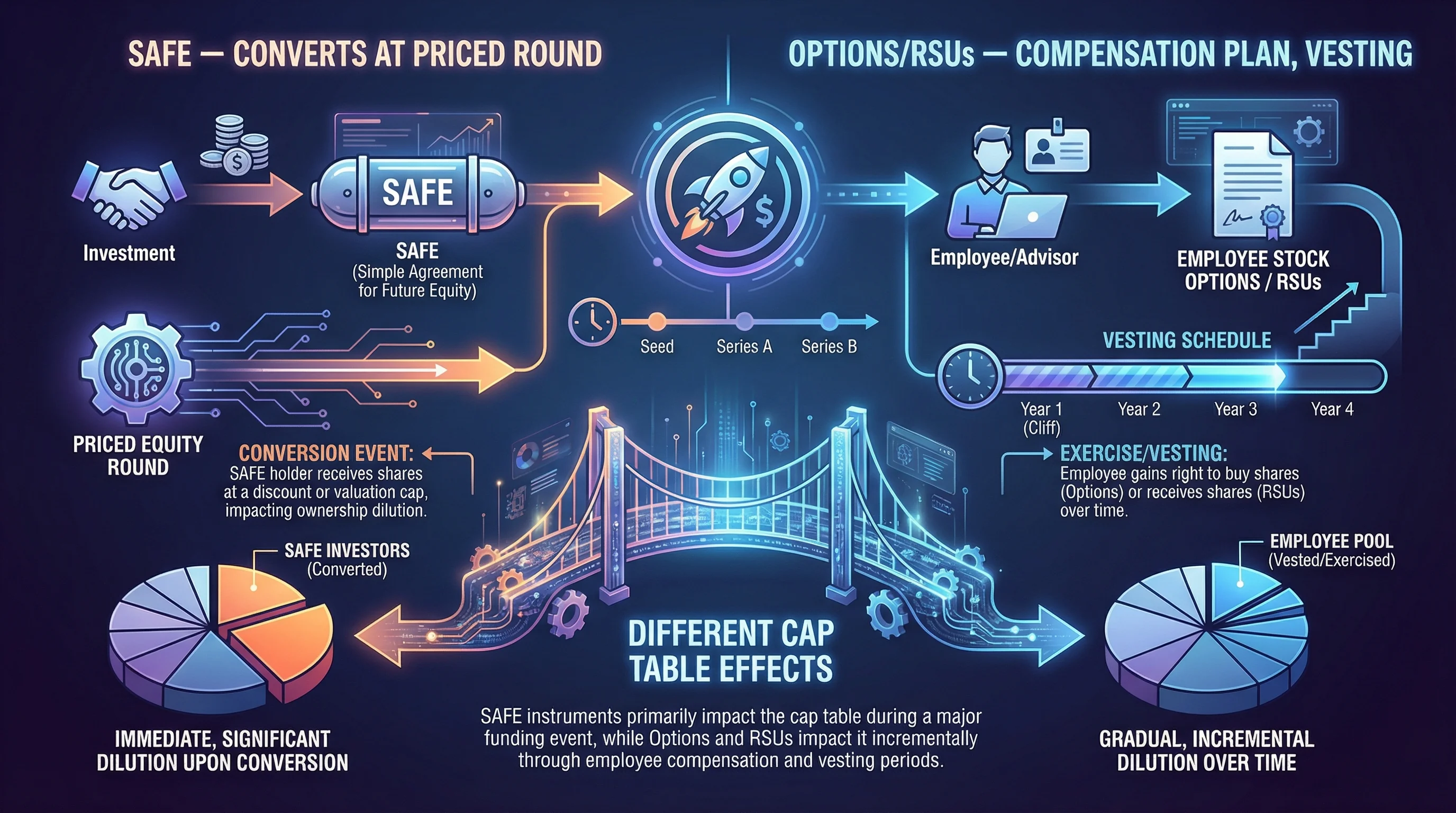
Figure 1: Different instruments—different rights and dilution mechanics.
SAFE vs Priced Round (Employee Lens)
| Topic | SAFE / convertible context | Employee equity context |
|---|---|---|
| Price | Often deferred until conversion | Strike price / FMV at grant via 409A |
| Risk | Investor capital at risk | Vesting + forfeiture risk |
| Information | Investors negotiate terms | Employees get plan + grant agreements |
How Dilution Layers
- Founders split initial ownership
- Employee pool expands (dilution)
- SAFEs convert at financing (dilution)
- New investors in priced rounds (dilution)
Use our dilution calculator for toy models.
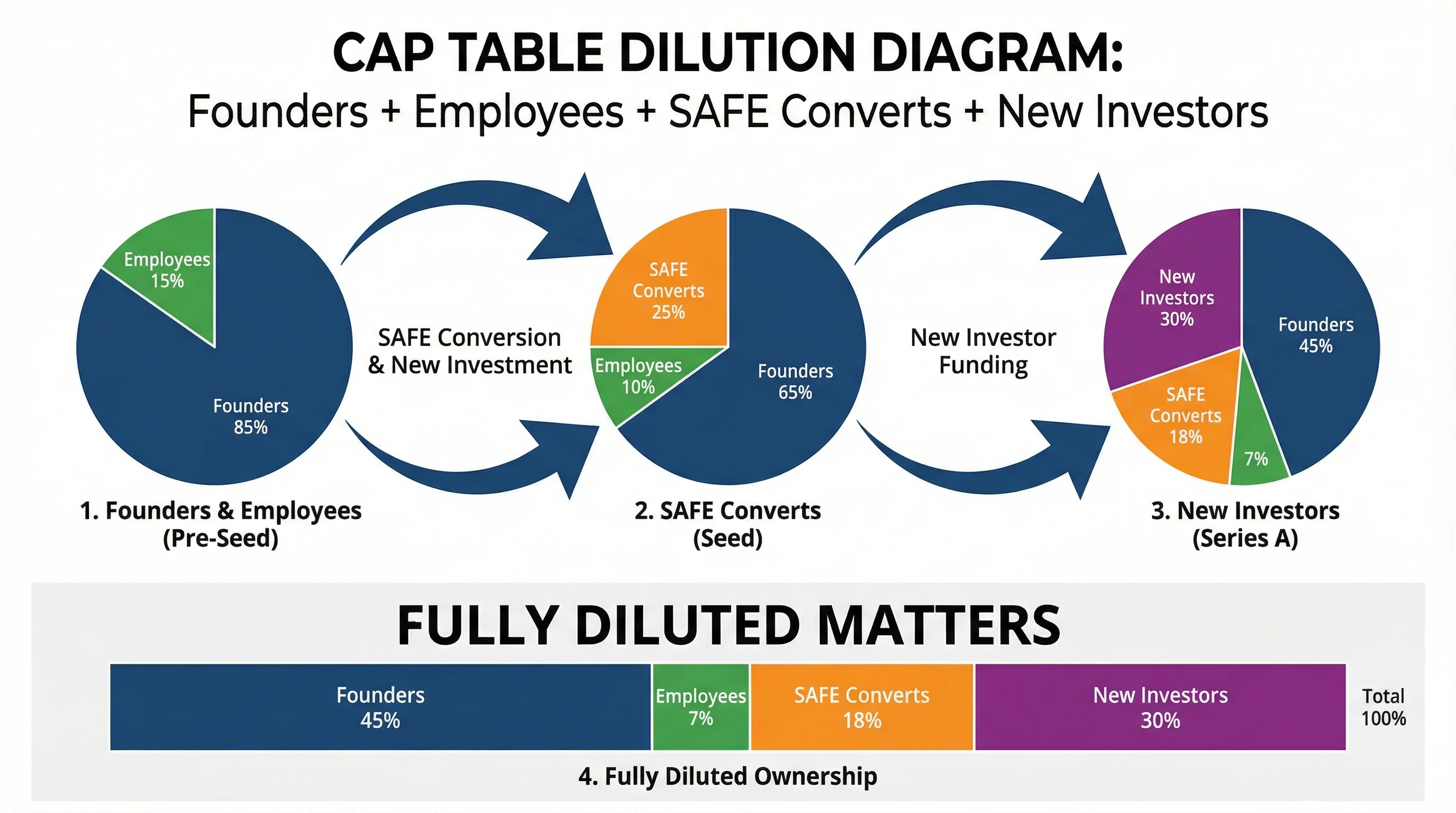
Figure 2: Dilution layers over time—fully diluted share count is the common denominator.
Common Misunderstandings
- “Cap” is not a valuation of your options—it caps conversion price for SAFE holders.
- Post-money SAFEs changed semantics vs older templates—verify which version you’re discussing.
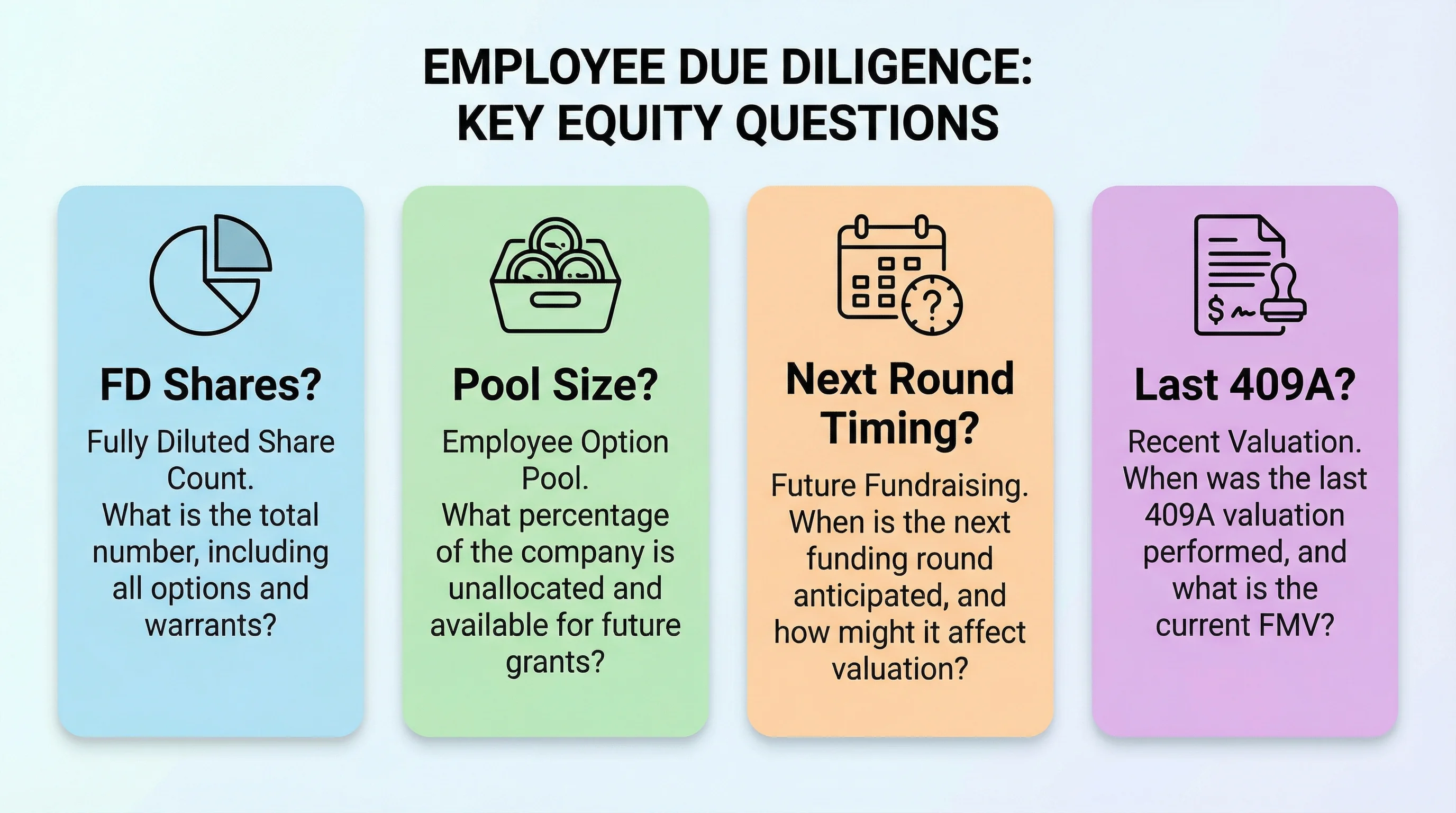
Figure 3: Questions that turn a headline grant into an economic story.
Links
Disclaimer
Educational only—not investment, legal, or tax advice.
Primary sources
| Source | URL |
|---|---|
| Investor.gov — convertible concepts | https://www.investor.gov/ |